Understanding the psychology behind player behavior in casinos
The Allure of Gambling
The allure of gambling lies in its combination of risk and reward. Players are often drawn to the thrill of the unknown, where a single bet can lead to substantial winnings or devastating losses. This duality taps into core psychological triggers, such as the excitement of chance and the potential for financial gain. With this in mind, many are turning to interac casinos canada, where they can experience the excitement firsthand. The anticipation builds as players engage with games, creating an adrenaline rush that many find addictive.
Additionally, casinos are expertly designed to amplify these feelings. Bright lights, engaging sounds, and strategic layouts create an immersive environment that keeps players enthralled. This sensory overload can lead to a phenomenon known as “loss aversion,” where the fear of losing outweighs the desire to walk away, encouraging longer play sessions.
Social Interaction and Community
Casinos often serve as social hubs where individuals gather to enjoy games together. The social aspect of gambling can play a significant role in attracting players. Interacting with others creates a sense of belonging and community, which can enhance the overall experience. Players often celebrate wins together or share stories of near-misses, which fosters connections and makes the activity more enjoyable.
Moreover, social dynamics, such as competition and camaraderie, can influence decision-making. When players are surrounded by others who are also gambling, they may feel more inclined to take risks, driven by the social pressure of the environment. This communal atmosphere can lead to extended playing time as individuals immerse themselves in the collective thrill.
Cognitive Biases in Gambling
Cognitive biases play a crucial role in how players perceive their chances of winning. One common bias is the “illusion of control,” where gamblers believe they have more influence over the outcome than they actually do. This mindset can lead players to engage more frequently, convinced they can alter their fate through skill or strategy, even in games that are purely based on chance.
Another prevalent bias is the “gambler’s fallacy,” where individuals assume that past outcomes will influence future results. For example, if a slot machine hasn’t paid out in a while, players may believe it is “due” for a win. Such misconceptions can skew judgment, leading to continued play despite unfavorable odds, and can contribute to the cycle of gambling behavior.
The Role of Rewards and Incentives
Rewards and incentives are powerful tools used by casinos to entice players. Promotions, bonuses, and loyalty programs create a perception of value that keeps players returning. These rewards often play into the psychological concept of variable reinforcement, where unpredictable rewards can lead to heightened excitement and engagement.
Furthermore, the psychological impact of winning—even small amounts—can trigger dopamine release in the brain, reinforcing the behavior. This biochemical reaction creates a desire to replicate the experience, encouraging players to return for more. Over time, this can lead to habitual gambling patterns as individuals seek the thrill of the next big win.
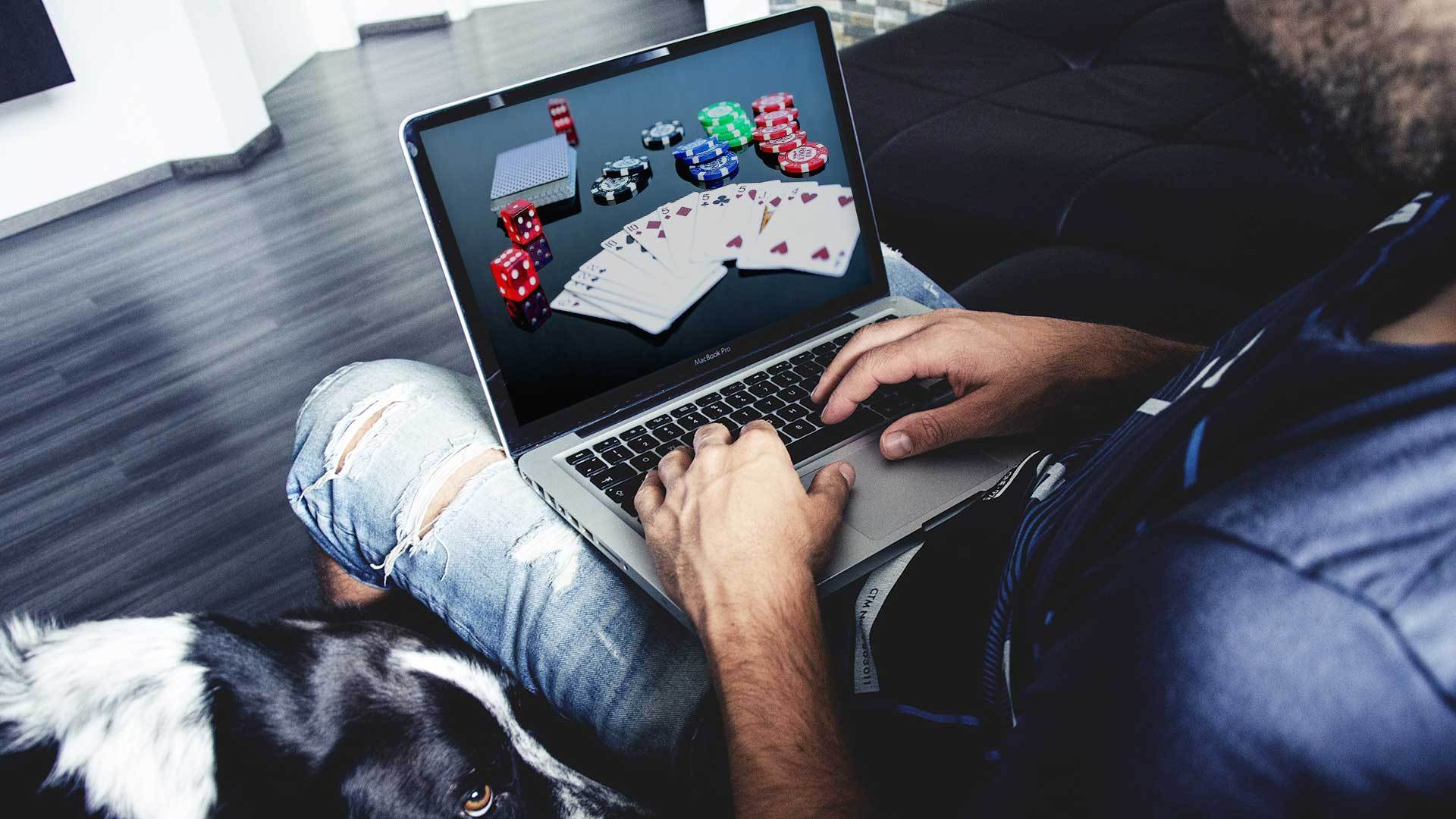
Exploring the Latest Trends in Online Gambling
As technology evolves, so does the gambling landscape. The emergence of online casinos has transformed the way players engage with gambling. With easy access to games, players can enjoy their favorite activities from the comfort of their homes. This convenience has attracted a new wave of players who appreciate the flexibility and variety available online.
Moreover, modern online casinos often implement gamification strategies to enhance player engagement. Features like leaderboards, achievement badges, and interactive gameplay appeal to the psychological factors that drive player behavior. As the industry continues to innovate, understanding these trends will be crucial for casinos looking to attract and retain players in a competitive market.